
Continuing
Education for
Behavioral Health
Professionals
Meet your CE requirements with expert-led courses. Get the hours you need while advancing your clinical skills.
Find Your CE Courses
Search Courses
Learn at Your Pace
On-demand access
Expert Led
Industry leaders
4,800+
Professionals
72
Instructors
234
Courses
Trending Courses
Most enrolled courses from the last 30 days
WMHCA: Suicide Assessment, Management, and Treatment

This six-hour presentation meets the new Washington state CE requirements, and provides a practical, hands-on introduction for both new and experienced practitioners. The presentation will cover the assessment, management, and treatment of suicide risk in depth.
Finding Calm in a Frantic World: Keys to Managing Anxiety
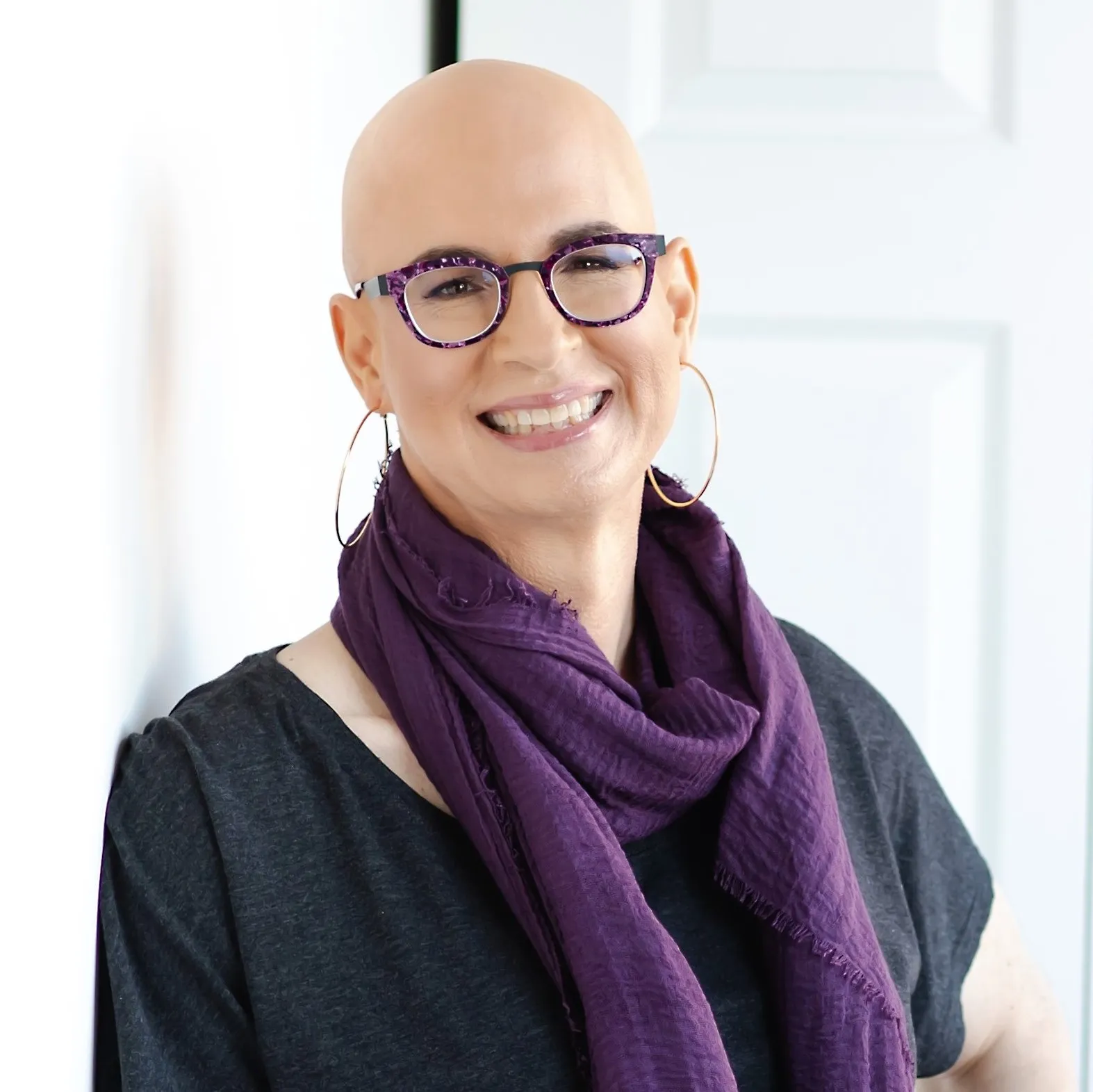
We’ll examine how therapeutic modalities such as Cognitive Behavioral Therapy, exposure therapy, and Acceptance and Commitment Therapy to address anxiety and explore tools such as mindfulness, deep breathing, bilateral stimulation, and Emotional Freedom Techniques.
WMHCA: Washington Law & Ethics of Abandonment, Termination, and Referrals

In this 3 hour workshop we will examine the legal and ethical implications of termination and referral of clinical services. Specific focus will be on understanding the concept of legal abandonment in health care. Participants will gain increased ability to best support their clients while also minimizing risk and limiting exposure to liability. This course is intended to meet ethics CE requirements.
Treating Obsessive-Compulsive Disorder in the Modern Day: 6-hour course

Obsessive-compulsive disorder (OCD) is one of the most confounding mental health maladies in the world today. That said, it has become almost common vernacular whenever a person is a bit fastidious or does something a little odd. We often hear statements such as, “There goes my OCD again!” The devastating effects of OCD can be played down and obscured, resulting in increased difficulty in recognition and proper diagnoses. In addition, shame and media stigma may prevent people from accurately describing the symptoms.
WMHCA: Healing Trauma through Movement

By understanding the biological adaptations of both trauma and physical exercise, participants will learn to identify movements and exercises that can facilitate healing in and out of therapy sessions.
Recently Added
New courses just added to our catalog
"Gender Queer: A Memoir by Maria Kobabe" Bookclub Style CE workshop

Book club would meet 2 times, for one hour each time. Initial meeting begins with an educational presentation for psychotherapists on the topic gender affirming care. Clinicians will learn affirming language and definitions of gender expansive identities, developmental stages of gender identity, and cultural differences for folks with gender expansive experiences.
Chronic Pain: Psychological & Somatic Strategies for Relief: 6-hour course
In this interactive and experiential training, we will explore non-pharmaceutical ways to address chronic pain. You will learn practical, evidence-based tools and strategies to share with clients.
Nuance in Suicidal Ideation Assessment

Presenters will guide participants through nuanced learning of suicide assessment, starting with terminology, and identifying tools and best practices. We will discuss specific needs of ND, LGBTQ2S+, and BIPOC youth and WA State laws on involuntary commitment.
Becoming a Neurodivergent-Affirming Clinician: Understanding ADHD and Autism through a Strengths-Based, Neurodivergent-Affirming Lens

This certificate style workshop series is designed to help clinicians build greater awareness and familiarity with ADHD and Autistic experiences. Participants will come away from this course with a deeper understanding of ADHD and Autism from the Neurodiversity-Affirming Paradigm that focuses on strengths and differences, not diagnoses, disorders, and deficits.
WMHCA: Decolonizing Somatic Therapy with Movement, Food and Art
This presentation will discuss how oppression and colonization have influenced the way we view healing, and offer alternative and accessible ways to heal.