
Enhancing Therapeutic Competence in Religious & Spiritual Sensitivity: An Implicit Bias Training
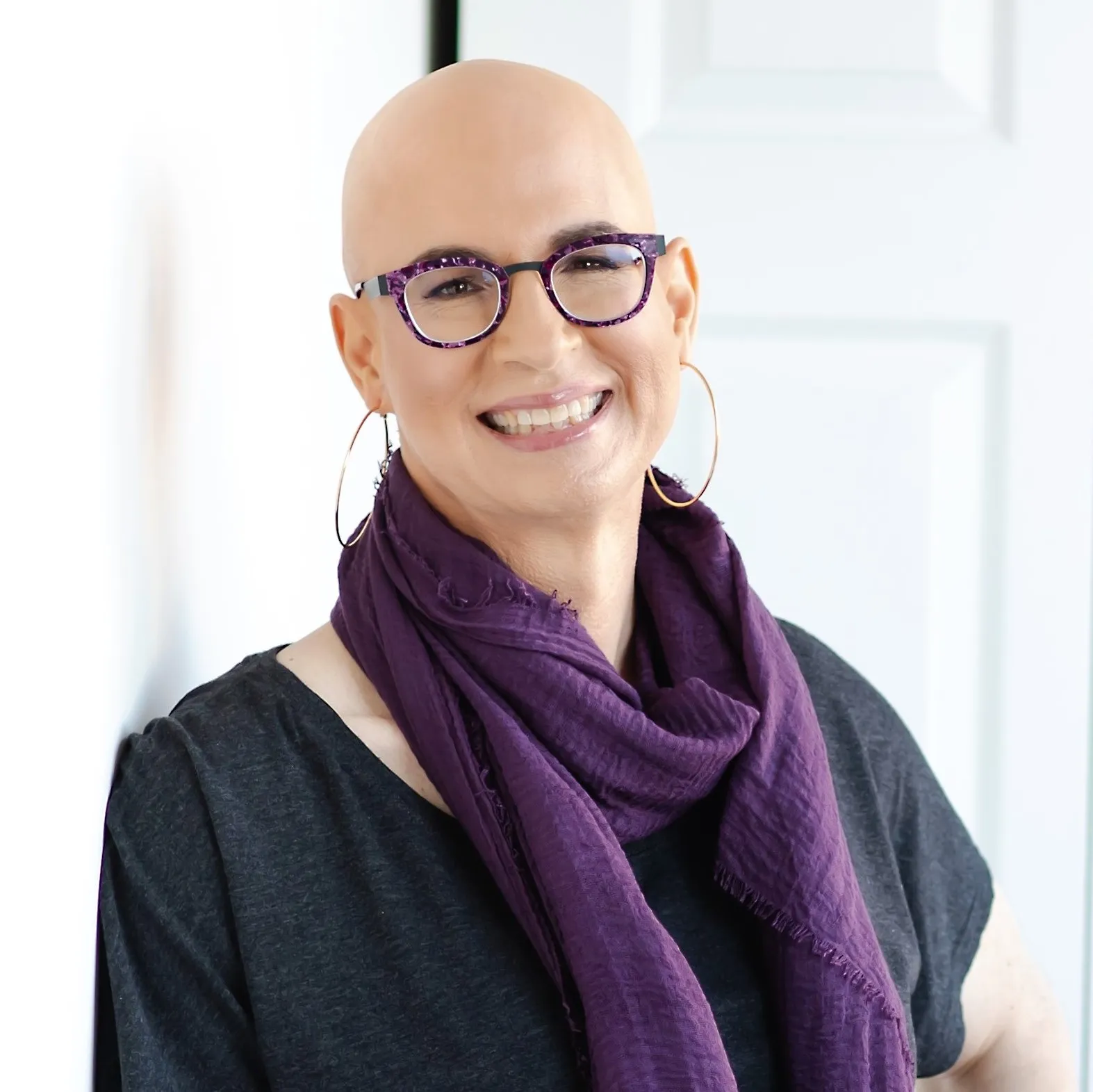
Presented by
Dreya Blume, LCSWThis workshop will provide practical strategies for creating an open, affirming therapeutic space that respects diverse religious and spiritual expressions. Participants will learn techniques to uncover their own biases, navigate religious differences ethically, and engage with clients’ beliefs in ways that enhance—not hinder—therapeutic outcomes.
Overview
3 Health Equity CEs Recorded: Fall, 2025
In psychotherapy, a client’s religious and spiritual beliefs can profoundly shape their worldview, coping mechanisms, and sense of identity. However, therapists—regardless of their own faith background or secular perspective—may hold implicit biases that unconsciously influence clinical interactions. This interactive training will help psychotherapists recognize and address implicit biases related to religion and spirituality, fostering greater cultural humility and therapeutic competence. Through guided self-reflection and experiential exercises, participants will explore how implicit assumptions about faith and spirituality can affect assessment, diagnosis, and treatment.
This workshop will provide practical strategies for creating an open, affirming therapeutic space that respects diverse religious and spiritual expressions. Participants will learn techniques to uncover their own biases, navigate religious differences ethically, and engage with clients’ beliefs in ways that enhance—not hinder—therapeutic outcomes. Whether working with devout clients, spiritual seekers, or those who have experienced religious trauma, therapists will leave with an expanded capacity to offer culturally responsive care that aligns with their clients’ values and healing processes.
OBJECTIVES:
Define implicit bias Identify the impact of implicit bias on matters related to religion and spirituality Recognize how implicit bias surrounding religion and spirituality can impact clinical work Use strategies to become aware of their own implicit biases in order to avoid them becoming detrimental in the therapeutic relationship
About the Presenter
Dreya Blume (she/her) is a licensed clinical social worker, psychotherapist, author, and educator. Dreya began working in the mental health field in 2004 in southwest Virginia, where she spent almost two decades serving the local transgender community as a gender therapist. She recently moved to Durham, NC, where she focuses on offering continuing education training to therapists and coaching for private practice clinicians who want to expand their business uniquely. Dreya loves to write and is the author of several books, including, “The Tarot Activity Book: A Collection of Creative and Therapeutic Ideas for the Cards,” “Journaling the Tarot,” “Everyone Has a Story: Using the Hero’s Journey and Narrative Therapy to Reframe the Struggle of Mental Illness,” and “Tarot for Transformation: Using the Major Arcana to Discover Your Best Self and Create a Life Worth Living.” All of Dreya’s books (under her former name, Andy Matzner) are available here: https://dreyablume.com/books. Dreya is also passionate about teaching. Before becoming a mental health clinician, she spent many years teaching English as a Second Language in places such as Japan, Australia, Thailand, and Hawaii. Once in Virginia, Dreya worked as an adjunct professor for almost twenty years at Hollins University, teaching gender studies and sociology in their Master of Liberal Studies program. In addition, she spent twelve years teaching future social workers in the human services program at Virginia Western Community College. Learn more about Dreya on her website: https://dreyablume.com/.