
Mindfulness with Ethics in Mental Health Care
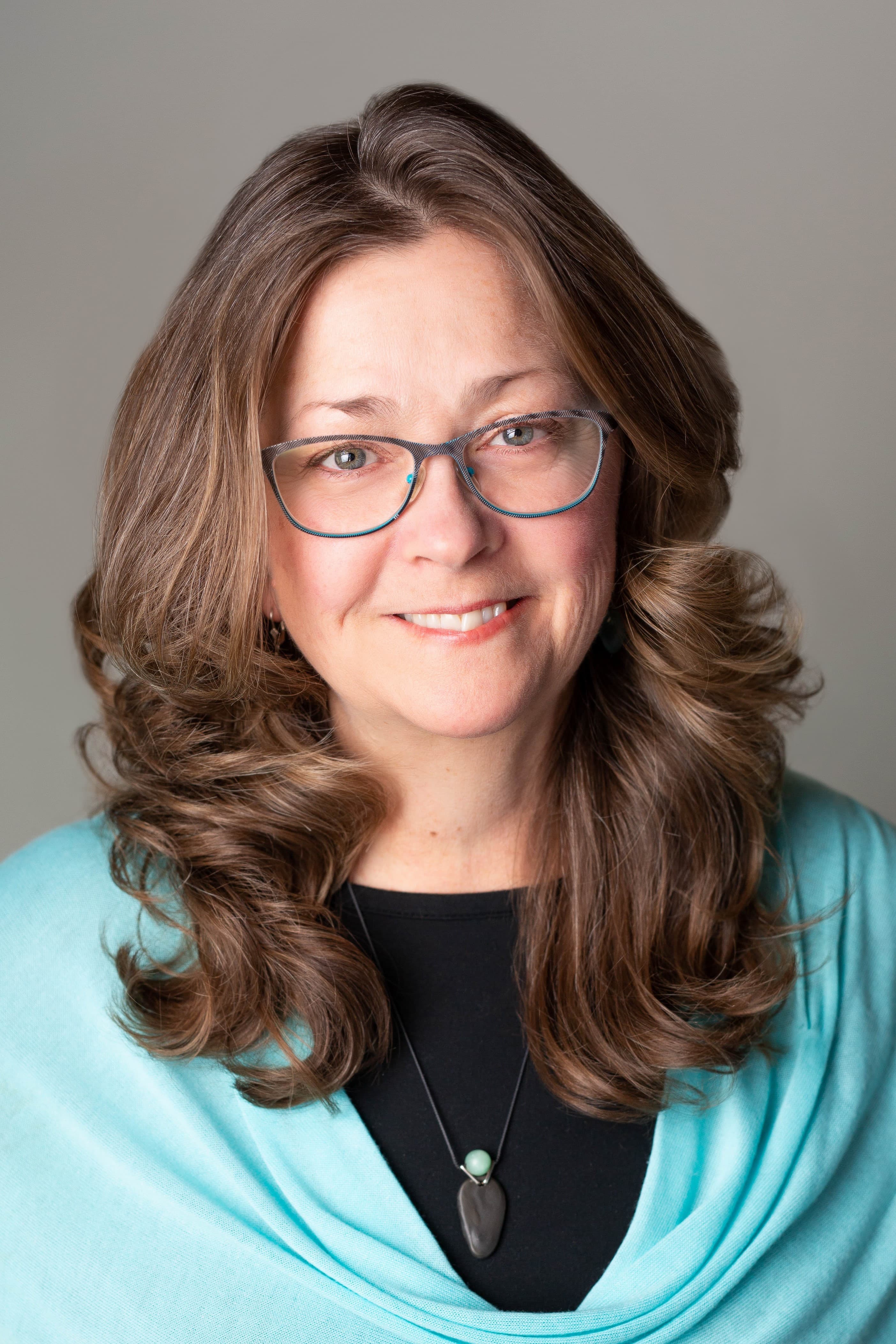
Presented by
Brenda Butterfield, EdD, MSW, LMHCIn this experiential workshop, you will learn a variety of simple self-care practices to use anytime, anyplace, from the grocery store to the forest! Yes! Mindfulness in nature is an evidence-based practice that is even more accessible to many people.
Overview
4 Law and Ethics CEs Recorded: January, 2026
Increasingly, the "mindfulness movement" is influencing Western culture in education, business, and mental health care. Different clinical interventions called Mindfulness-Based Interventions (MBIs) are increasingly used to effectively treat clients suffering from chronic pain and stress, depression, anxiety, substance use, suicidality, and more. These evidence-based interventions honor the mind/body connection and align well with integrated health care using the bio-psycho-social treatment model.
While psychological interventions are typically knowledge-based and directed toward client change irrespective of the clinician's health and well-being, MBIs are quite different. A mindfulness-based therapist is ethically obligated to teach from one's own lived experience. Practicing improves their health and well-being, which research shows correlates with clients' treatment outcomes. Therefore, developing a mindfulness practice benefits both the clinician and the client. There are many ways to cultivate mindfulness in daily life, with and without meditating.
In this experiential workshop, you will learn a variety of simple self-care practices to use anytime, anyplace, from the grocery store to the forest! Yes! Mindfulness in nature is an evidence-based practice that is even more accessible to many people. Whether indoors or outside, MBIs improve our health and well-being. Learn more about the mind-body connection through practicing somatic and emotional awareness better to understand your behaviors and your clients’ behaviors, too.
In addition to learning practices for oneself and clients, we’ll explore questions like what mindfulness is. What does it mean to BE mindful and to practice mindfulness? What's the difference between mindfulness and meditation? What's the therapeutic value of mindfulness in therapy? And perhaps most important of all, what are ethical imperatives for calling oneself a "mindfulness-based therapist?"
Workshop Objectives:
Understand the benefits of integrating mindfulness in mental health care and the ethical implications for doing so. Learn the difference between meditation and mindfulness by learning simple self-care practices to activate the parasympathetic nervous system for emotional regulation anytime. Explore the language, concepts, and phenomena of mindfulness, and practice ways of introducing mindfulness to clients (e.g., automatic pilot, present-moment awareness, inner experience, noticing, cultivating, practice, and ways of being). Learn about the mind/body relationship between chronic stress (CBT thinking errors) & health (depression/anxiety/panic attacks), enabling you to explain the functioning of the autonomic, sympathetic, and parasympathetic nervous systems in easy ways.
About the Presenter
Dr. Brenda S. Butterfield is founder of Our New Experience (ONE), LLC in Redmond, WA. She has been a mental health professional for over 30 years serving children, youth, families and communities in the US and abroad. In her clinical work, Dr. Butterfield uses an integrative, whole person perspective to support development of each human’s full potential. Knowing there are many paths to peace of mind, she uses a variety of therapeutic approaches anchored in mindfulness, cognitive behavioral therapy and other phenomenological self-care practices all supported by scientific data as effective. In addition to individual and group therapy, Dr. Butterfield teaches Mindful meditation classes, facilitates retreats and presents a variety of seminars and professional development trainings for mental health practitioners and other caregivers locally and nationally. Prior to founding Our New Experience Dr. Butterfield was an award-winning faculty member of the Psychology Department at the University of Minnesota Duluth receiving multiple awards from students, colleagues, and community organizations for teaching excellence and leadership. She has presented at national and international conferences and was invited to serve as a Guest Lecturer teaching psychology courses at the University of Birmingham in England in 2008. Dr. Butterfield is an innovative teacher in part due her unique educational background with degrees and in education, psychology and social work. The nexus of her training combined with her wide array of clinical experience in child welfare, mental health, substance abuse, and higher education in the US, England, Africa and the Middle East is likely why clients and colleagues describe her work as “inspiring, authentic and transformative.” Dr. Butterfield earned a Bachelor of Arts in Psychology from the University of Minnesota-Duluth in 1989 a Masters in Social Work from the University of Washington in 1998 and a Doctorate Degree in Education from the University of Minnesota in 2014, specializing in the Psychology of Teaching and Learning. Her professional work has always been challenging and rewarding but her greatest learning and satisfaction continues to come from being an adoptive and biological mom of two children. Lived experience has taught Dr. Butterfield about the necessity of developing an Essential-Self Care Practice by recognizing, surviving and eventually befriending mental illness in her own family. Her daily mindful practice continues to teach her how to recognize life’s challenges as invitations to develop her own full human potential. More information about Dr. Butterfield is available at http://ournewexperience.org/